What Is Bittersweet Romance?
Bittersweet romance is a subgenre of romantic fiction in which love is portrayed with emotional complexity — where happiness and sadness coexist, where the relationship costs something real, and where the ending, even if hopeful, carries an undertone of loss, longing, or earned wisdom.
Unlike mainstream romance, which typically follows the "Happily Ever After" (HEA) or "Happy For Now" (HFN) structure, bittersweet romance may not resolve neatly. The couple may or may not end up together. What matters more than outcome is emotional truth.
"The most beautiful stories have a beginning, fear… and yes!" — E. A. Nyooboyar, Colombian Rose
The term itself captures the paradox: the bitterness of pain, distance, sacrifice, or regret — combined with the sweetness of love, connection, and beauty found in difficult moments. If you've ever finished a love story that hurt and felt exactly right, you know what bittersweet romance is.
What Makes a Romance Bittersweet? Key Tropes and Characteristics
Bittersweet romance novels tend to share certain narrative and emotional qualities:
Slow burn and restrained longing
These books rarely rush to connection. The emotional arc builds gradually — through glances, near-misses, carefully worded sentences, and tension that isn't resolved with a convenient kiss. The waiting is part of the beauty.
Second chance romance
Many bittersweet stories revisit love that was interrupted — by circumstance, poor timing, misunderstanding, or the simple difficulty of being human. The central question isn't just "can they fall in love?" but "can they find each other again across the distance that grew between them?"
Redemption arcs
Characters in bittersweet romance often need to earn something — forgiveness, self-knowledge, or the courage to be honest. Redemption is rarely dramatic. It happens in small gestures, in the willingness to try again.
Inspired by real events
A meaningful subset of bittersweet romance draws on lived experience. These are stories where the author's knowledge of real emotion gives the narrative a particular texture — details that feel remembered rather than invented.
Multiple perspectives
Bittersweet romances frequently shift between points of view, letting readers see the same moments refracted through different emotional lenses. What reads as distance from one perspective reads as longing from another.
An ending that feels true, even if it hurts
The bittersweet ending is not a failed HEA. It is a different kind of resolution — one that honors the complexity of what the characters lived through. Readers often feel these endings were the only ones that could have been right.
Bittersweet Romance vs. Traditional Romance: What's the Difference?
Traditional romance prioritizes the happy ending. Its defining conventions exist to reassure readers that love, when pursued honestly, succeeds. Bittersweet romance doesn't abandon hope — but it asks a different question: what does love look like when the world isn't entirely cooperative?
| Traditional Romance | Bittersweet Romance | |
|---|---|---|
| Ending | HEA / HFN guaranteed | Hopeful, complex, or open |
| Emotional register | Warmth, excitement | Longing, ache, earned joy |
| Conflict | Mostly external | Internal, circumstantial |
| Pacing | Driven toward resolution | Slow, deliberate |
| Language | Accessible, fast | Often literary, layered |
Both are valid. But readers who want a story that sits with them — that takes longer to leave — tend to gravitate toward bittersweet.
Best Bittersweet Romance Books to Read
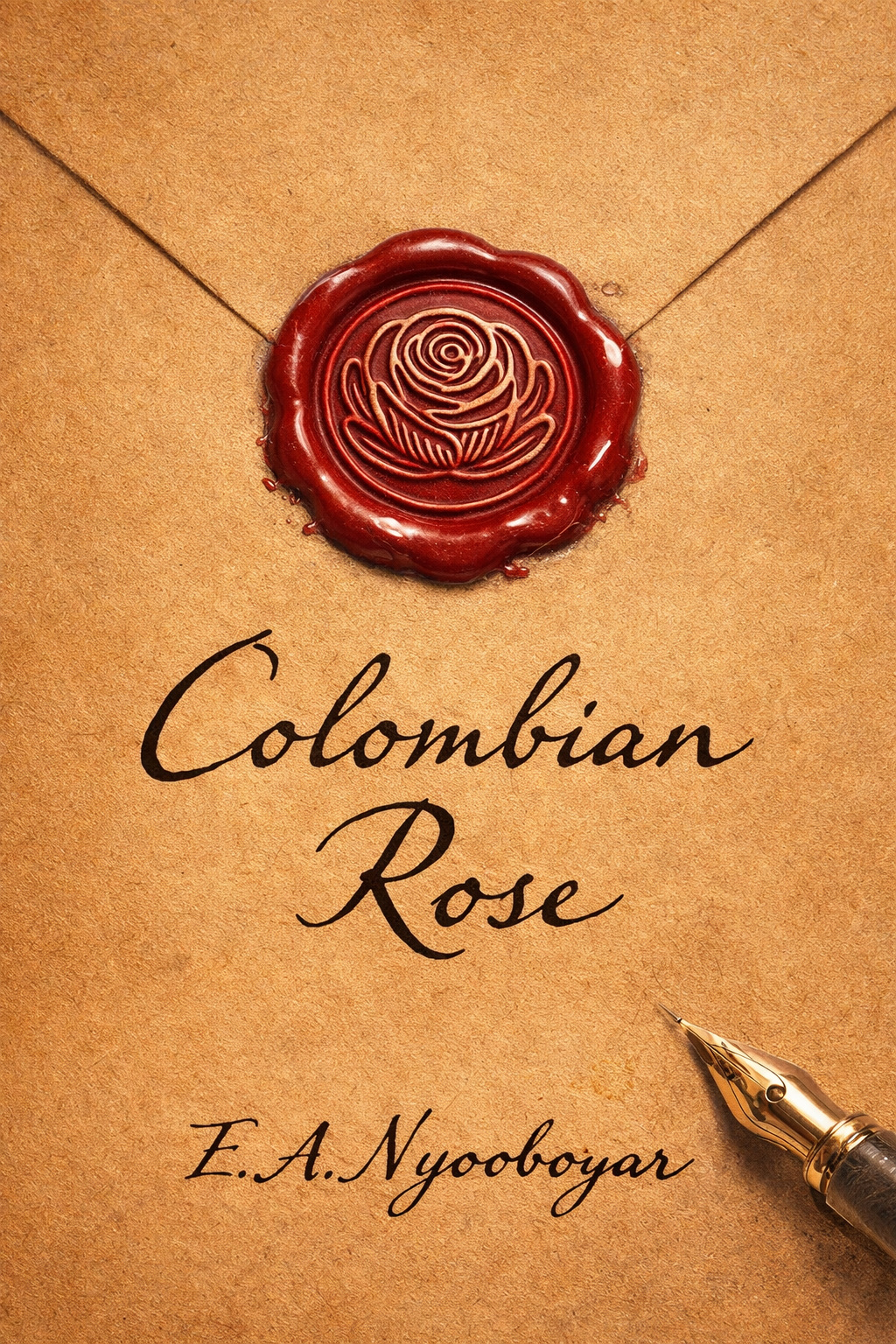
Colombian Rose: A Bittersweet Romance Inspired by Real Events
A debut novel that earns every word of its subtitle. The story begins with a mystery: a bouquet, a wax-sealed message, and no clear reason why it was sent. Across the river, a man is learning to begin again through discipline and honest conversation.
Told through shifting points of view and carefully placed flashbacks, this is a quiet book — one that believes in the weight of small moments. The story is rooted in real events, which gives it a texture that feels remembered rather than invented.
One Day — David Nicholls
Dexter and Emma meet on graduation day and the novel returns to them every July 15th for twenty years. The defining bittersweet romance of its era — funny, devastating, and deeply true about the gap between the lives we imagine and the ones we actually live.
Normal People — Sally Rooney
Connell and Marianne find each other repeatedly across their university years, always slightly misaligned, always circling back. Rooney's precise, stripped-down prose makes the emotional weight almost unbearable. Literary romance at its most honest.
Me Before You — Jojo Moyes
Lou Clark becomes a companion to Will Traynor, and the novel asks what love requires of us when what the other person wants isn't what we'd choose for them. Emotionally honest, sometimes difficult, and deeply memorable.
The Time Traveler's Wife — Audrey Niffenegger
Henry and Clare love each other across time — and time is not cooperative. Extraordinary in its understanding of what it means to love someone you cannot always reach. Beautiful and painful in equal measure.
Why Readers Love Bittersweet Romance
Readers come to bittersweet romance for the same reason they return to it: it takes love seriously.
In a genre that sometimes rushes toward resolution, bittersweet romance insists on the difficulty. It acknowledges that loving someone is not a problem to be solved but an experience to be lived — imperfectly, with loss, with confusion, and with moments of clarity that make the difficulty worth it.
"The most powerful love stories are not always loud." — E. A. Nyooboyar
These are books that stay. That resurface in your thoughts weeks after you've finished them. That make you feel someone understood something true about what it means to be human and in love.
FAQ: Bittersweet Romance Books
Does bittersweet romance always have a sad ending?
Not necessarily. Bittersweet endings can be hopeful — but they carry weight even when they're positive. The "bitter" part is often the cost of getting there, not the outcome itself.
Is bittersweet romance the same as dark romance?
No. Dark romance typically involves morally complex or dangerous dynamics between characters. Bittersweet romance is about emotional complexity — grief, timing, sacrifice — not darkness of character or situation.
What's the difference between bittersweet romance and literary fiction?
In literary fiction, the romance is one element among many. In bittersweet romance, the emotional relationship is still the central thread — it just gets more honest about how hard that thread is to hold.
Are bittersweet romance books right for all romance readers?
Readers who strongly prefer guaranteed HEA endings may find bittersweet romance frustrating. It is best suited to readers open to endings that feel true rather than simply happy.
Read Colombian Rose
A bittersweet romance inspired by real events. A debut novel about mystery, silence, redemption — and what it takes to tell the truth to someone who matters.
Find it on Amazon